
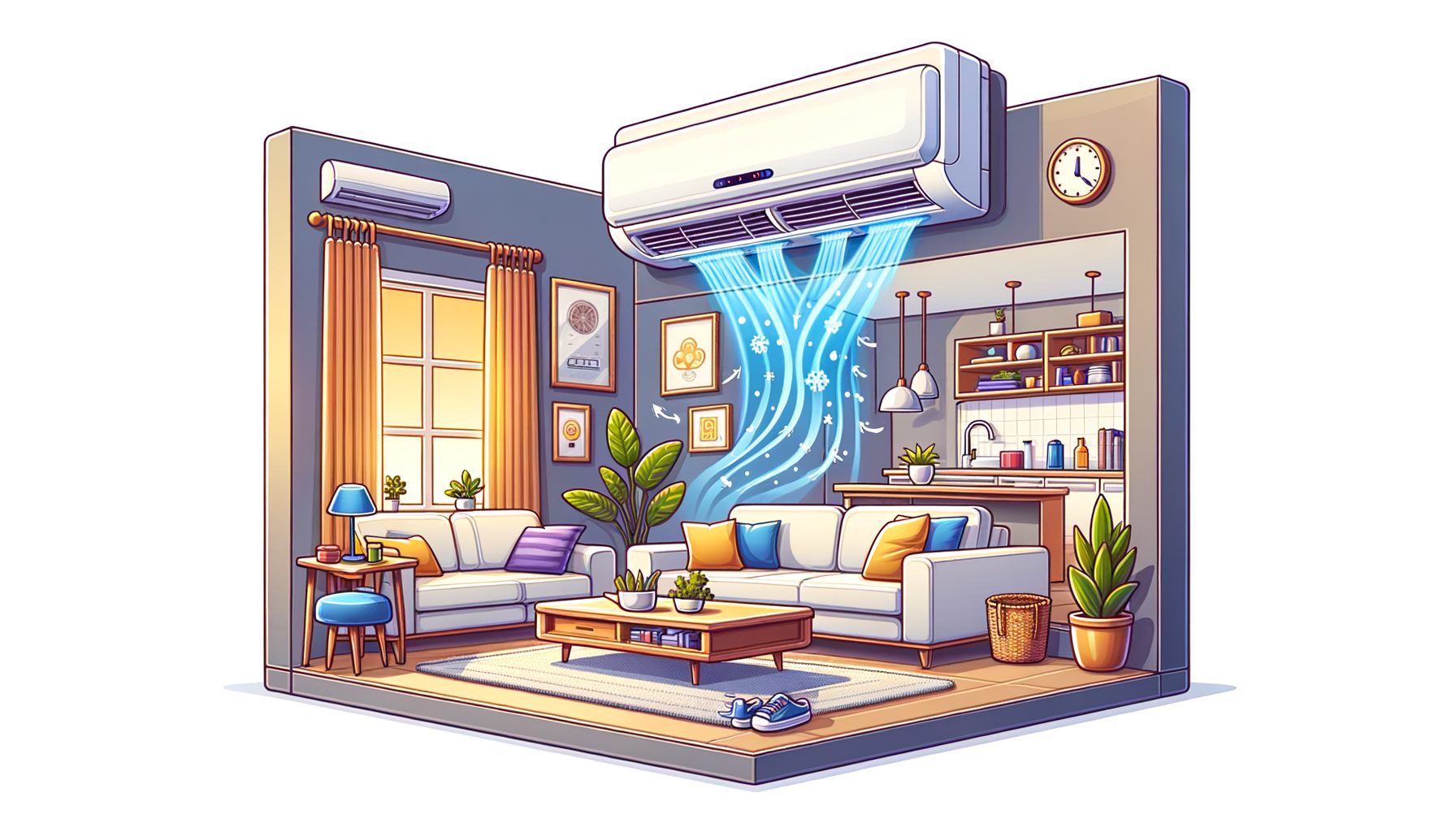
Struggling with hot spots, uneven air, or noisy blasts from your AC? Optimal Indoor AC Unit Placement is the quiet hero behind comfortable rooms and lower energy bills. The wrong location can force your system to overwork, waste electricity, and still leave you sweaty or shivering. The good news: with a few smart positioning choices, you can boost comfort, reduce noise, and save money—all without upgrading your equipment. Here’s a quick breakdown of the what, why, and where of indoor AC placement so you get the best performance from day one.
Optimal Indoor AC Unit Placement: Why It Matters More Than You Think
Most people focus on AC capacity or brand, but placement has an equal (sometimes bigger) impact on comfort and efficiency. Air conditioners don’t cool rooms uniformly; they move conditioned air in a pattern. Put the indoor unit in the wrong spot and you’ll get dead zones, temperature swings, or short cycling, which wastes energy. Studies and field data from installers show that poor placement can add 10–20% to energy use because the thermostat reads the wrong temperature, airflow is blocked, or the unit cycles too often. Even a great inverter-driven split can’t fix an installation that fights against airflow physics.
There’s also the human factor: comfort isn’t just the average temperature. It’s how the air moves across your skin, the noise you hear, and whether drafts hit your face at night. Placement determines whether air “blends” into the room using the Coanda effect (air hugging ceilings or walls) or shoots straight at you. If your AC constantly blasts your bed or workstation, you’ll lower the setpoint to feel comfortable, driving energy costs up. Thoughtful placement allows you to set a slightly higher temperature while feeling just as cool—often 1–2°C higher without losing comfort, which can save roughly 3–5% energy per degree.
Good placement also protects your investment. Units need room to breathe, drain, and be serviced. Tight corners can trap heat and dust, strain fans, and accelerate wear. Drains with poor slope cause leaks. A sensible location avoids heat sources, direct sun, and obstructions—and leaves a clean, simple path for refrigerant lines and condensate drainage. The result: fewer callouts, longer equipment life, and better air quality thanks to easier maintenance.
Best Locations by Room Type: Living Rooms, Bedrooms, Kitchens, and Workspaces
Every room has different use patterns and heat loads, so the “best” spot varies. In living rooms, aim to place a wall-mounted unit on a long interior wall or high near the ceiling, throwing air across the room’s length. Doing so spreads cool air evenly and avoids blasting the sofa. If the room opens to a hallway, aim the airflow toward the interior for mixing, not out the door. Avoid placing the unit directly opposite large windows or glass doors in full sun. If you must, use shades or films to reduce radiant heat. Corner placements can work if the throw reaches the center of the room and furniture doesn’t block the stream.
Bedrooms are all about quiet comfort. Place the indoor unit high on a wall that doesn’t blow directly on the bed. Many people sleep better with gentle, indirect airflow; set vanes upward so cooled air washes the ceiling and falls slowly. Keep the headboard area draft-free by angling the louvers. If the room is small, mount above the door or on the wall opposite the door to promote circulation without a cold blast on your face. Consider noise: pick a unit with a low dB rating and keep it away from structural elements that can vibrate.
Kitchens produce heat and moisture, so don’t aim the AC at stoves or place it where cooking plumes rise. Mount it where it can sweep the dining or prep area without sucking greasy air. Good ventilation (range hood) is essential—ACs cool air; they don’t remove cooking pollutants. Keep the unit away from direct cooking zones and clean filters more often due to grease and particles.
Home offices and gaming rooms generate heat from electronics. Place the unit so the airflow crosses the room and washes heat sources without hitting your face at a desk. If you use a standing desk, consider vane control or side placement to avoid drafts. For rooms with multiple workstations, center placement with wide vanes or a ceiling cassette can distribute air more evenly than a tight corner mount. In all rooms, leave clear space around the unit and ensure an easy path for the drain and refrigerant lines to minimize installation risk and future leaks.
Height, Clearance, and Airflow: The Physics That Make Rooms Feel Right
Great placement respects airflow physics. Cool air is denser and tends to sink, so starting high and spreading wide helps. For wall-mounted splits, a typical sweet spot is 2.1–2.4 meters (7–8 feet) above the floor, leaving room above the unit so it can pull in return air. Mounting too close to the ceiling starves intake; when units are mounted too low, cold drafts are created and mixing suffers. Keep the front of the unit unobstructed; bookshelves, tall plants, and curtains can kill throw distance. If you have ceiling cassettes, ensure no beams or lights interrupt the discharge pattern.
Clearances matter for both performance and service. Provide space on the sides for filter access and coil cleaning, and avoid alcoves that trap heat. Don’t forget the condensate drain: it needs a continuous downward slope to avoid standing water and leaks. If gravity drainage isn’t possible, a condensate pump can work, but pumps add noise and maintenance—use them only when needed and install a safety cutoff to prevent overflows.
Thermal “hot spots” like sunlit walls or media centers change how air behaves. If your unit faces a sun-baked wall, the thermostat or built-in sensor will think the room is hotter than it is, causing overcooling. If it faces a cold draft or directly registers supply air, it may cycle off too soon. The goal is balanced mixing: set vanes to throw air across the longest dimension of the room, use gentle upward angles to leverage the ceiling for wider spread, and avoid direct streams at occupants when possible. These details can feel subtle, but they’re the difference between “cool but clammy” and “cool and comfortable.”
Quick reference targets to guide decisions:
| Item | Recommended Range | Why It Matters |
|---|---|---|
| Mounting height (wall unit) | 2.1–2.4 m (7–8 ft) | Promotes mixing; reduces drafts |
| Top clearance to ceiling | 10–20 cm (4–8 in) | Ensures intake airflow |
| Side clearance | 15–30 cm (6–12 in) | Filter access; service room |
| Front clearance | 1.5–2.5 m (5–8 ft) clear | Unobstructed air throw |
| Thermostat height | 1.2–1.5 m (48–60 in) | Accurate comfort reading |
| Condensate drain slope | ≥1–2% downhill | Prevents standing water/leaks |
Common Placement Mistakes (and What to Do Instead)
Placing the unit above a heat source is a classic mistake. TVs, fridges, and gaming rigs blow heat that fools sensors into overcooling the room. Instead, mount the unit where it sees the average room air, not a microclimate near electronics. Another misstep: directing airflow straight at beds, sofas, or desks. It feels cold at first, then clammy, and can trigger lower setpoints that waste energy. Fix it by re-aiming vanes upward, moving the unit to a neighboring wall, or adding a deflector designed for your model.
Cramped corners and alcoves cause recirculation—air leaves the unit and loops right back into the intake, leading to short cycling and poor mixing. Leave generous front clearance and choose a wall that allows the throw to cross the room. If your layout forces a corner, adjust louvers to sweep along the long wall and consider a unit with a wider vane angle. Another frequent issue is mounting too low. It may seem convenient, but it increases drafts and dust intake; better to mount high and ensure you can still open the front panel for filter cleaning.
Direct sun exposure can also skew performance. A unit baking in afternoon sun will run harder and read warmer than the occupied zone. Use shades, films, or choose a shaded interior wall. Don’t forget the drain: flat or upward-sloping drain lines cause moldy odors and leaks. Always maintain continuous downhill slope and include a trap if connected to negative pressure spaces.
Lastly, ignoring service access is costly. Units need space to remove filters, wash coils, and access electronics. If you mount over a built-in cabinet or too tight to the ceiling, even simple maintenance becomes a project. Plan for at least one side with easy access and a clear way to remove the front cover. A little foresight keeps maintenance cheap and fast—and your air clean. When in doubt, check your manufacturer’s installation manual and standards from organizations like ASHRAE for clearance and airflow guidance.
Smart Thermostat Placement, Sensors, and Maintenance Access
Thermostats and sensors decide when your AC runs, so their location can make or break comfort. Place a wall thermostat 1.2–1.5 meters (48–60 inches) above the floor on an interior wall, away from sunlight, lamps, electronics, and supply air. Avoid exterior walls that can run hotter or colder. If your split system relies on the indoor unit’s built-in sensor, be mindful of what the unit “sees.” If it sits in a hot alcove or faces a cold draft, readings will be off. Many modern systems support remote temperature sensors—use one near the main seating area or bed for better control.
Smart zoning is powerful in open-plan spaces. If you cool a large living-dining area, choose a unit location that favors where people actually sit. Supplemental fans can help blend air at low speeds, letting you raise the setpoint. For multi-split systems, avoid putting all indoor heads in line with each other; stagger them to prevent one unit from cooling the other’s sensor zone and causing uneven operation. Consider occupancy sensors or schedules to avoid conditioning empty rooms, and use dehumidification modes in humid climates to keep relative humidity around 40–60% without overcooling.
Maintenance access protects performance and air quality. Filters should be easy to remove without moving furniture. You’ll want at least one side with 15–30 cm (6–12 inches) of clearance and a safe step-stool path to reach the unit. Plan the condensate line for easy inspection; clear elbows and a downhill run reduce clogs. In dusty or coastal areas, schedule filter cleaning monthly during peak season; elsewhere, every 1–3 months often works. If your unit runs near a kitchen, expect more frequent cleaning due to grease particles. Keep a simple checklist: filters clean, vanes moving freely, drain line clear, and nothing blocking the intake or throw. These small tasks often recover 5–10% lost efficiency and improve that “fresh” feeling.
Finally, consult manufacturer specs and local codes. Resources from organizations like ENERGY STAR, ASHRAE, and government energy agencies provide best practices for comfort, efficiency, and safety. Use them as a cross-check before you drill any holes.
Q&A: Quick Answers to Common Placement Questions
Q1: How high should I mount a wall-mounted indoor unit?
A: Typically 2.1–2.4 m (7–8 ft) above the floor, with 10–20 cm (4–8 in) clearance to the ceiling. That height promotes mixing and reduces drafts.
Q2: Can I put the unit above a door or window?
A: Above a door can work if you have enough height and front clearance. Avoid mounting directly above sun-heavy windows, or use shading to prevent heat bias.
Q3: Why is my room cold near the unit but warm elsewhere?
A: The airflow likely doesn’t reach the far side of the room, or furniture blocks the throw. Re-aim vanes to sweep across the longest wall, relocate obstructions, or consider a different wall.
Q4: Where should the thermostat go?
A: On an interior wall 1.2–1.5 m high, away from sun, electronics, and supply air. If your AC uses a built-in sensor, consider an auxiliary remote sensor placed near the main seating or sleeping area.
Conclusion: Bring the Science of Placement Into Your Space
Here’s the bottom line: even the most advanced AC will underperform if it’s in the wrong place. You’ve learned that optimal indoor AC unit placement determines comfort, energy use, and noise more than many people realize. By positioning the unit high enough for good mixing, ensuring clear airflow, avoiding hot spots and drafts, and giving technicians room to service it, you turn your AC from a cold blaster into a quiet, efficient comfort machine. Room-by-room tactics—like indirect airflow in bedrooms, throw across the longest wall in living rooms, and grease-aware positioning in kitchens—translate into real-world wins: steady temperatures, drier air, and lower bills.
If you’re planning a new install or thinking about relocating a unit, take action now. Walk your space, visualize airflow paths, and mark potential obstructions. Check your manufacturer’s installation manual, then cross-reference with trusted resources like U.S. Department of Energy: Energy Saver, ASHRAE Standards, and EPA Indoor Air Quality. If you’re unsure, consult a licensed HVAC pro and share your goals—quiet operation, indirect airflow at the bed or desk, and clear service access. A good installer will map throw distance, confirm drain slope, and place sensors correctly.
Small changes deliver big results. Adjust vane angles to use the ceiling for gentle mixing, slide furniture out of the throw zone, shade sunny windows, and keep filters clean. These simple steps can let you raise the setpoint by a degree or two without losing comfort—reducing costs and carbon footprint. Ready to feel the difference? Choose your wall, plan the clearances, and set your AC up for success. Comfort is not an accident; it’s a design choice you make today. What’s the first placement fix you’ll tackle in your space?
Sources and Further Reading
– ENERGY STAR
– U.S. Department of Energy: Energy Saver
– ASHRAE Standards and Guidelines (e.g., thermal comfort and ventilation)
– U.S. EPA: Indoor Air Quality
– CIBSE Knowledge Portal